













Overstrand 2030: Planning for Growth is Whale Coast Report’s ongoing series examining how population growth, infrastructure investment and development are shaping the future of the Overstrand. Through official documents, expert analysis and public records, the series explores whether the municipality is prepared for the challenges of the next decade.
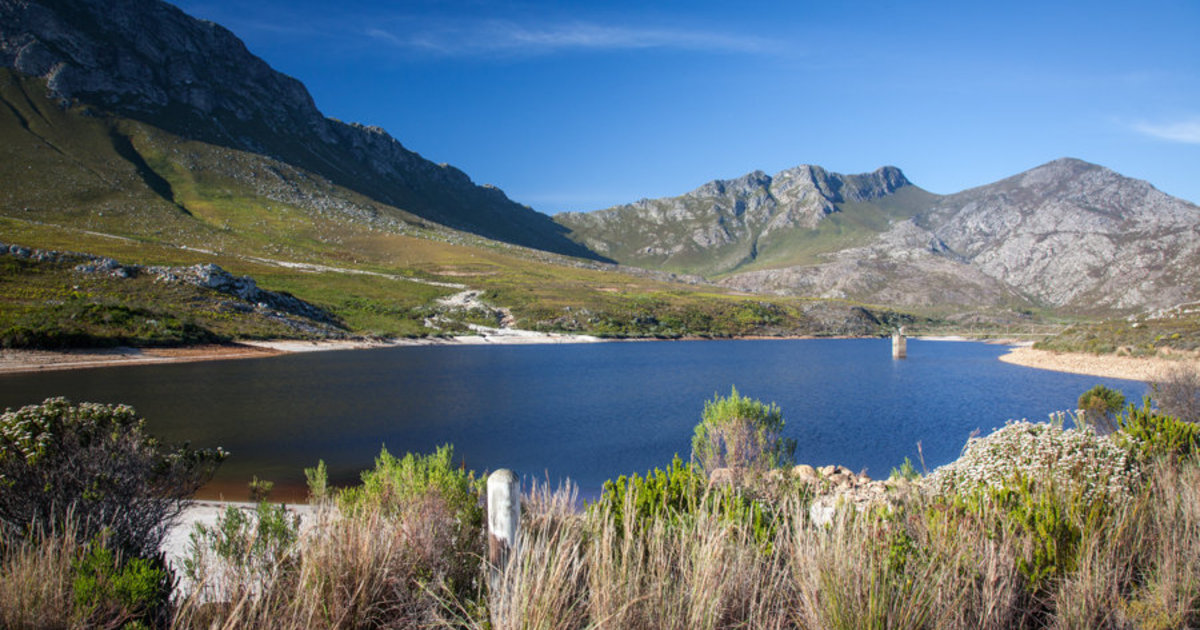
PRINGLE BAY – Every time someone in Rooi Els, Pringle Bay or Betty’s Bay turns on a tap, the water has already made an important stop. Before it reaches homes and businesses, it passes through the Buffels River Water Treatment Works, where raw water from the Buffels River Dam is transformed into safe drinking water.
The process isn’t as simple as running the water through a filter. Chemicals are added to remove tiny particles, the water is filtered through sand, stabilised to protect pipes and disinfected to kill harmful bacteria before it is pumped into the municipal network.
It’s one of those pieces of infrastructure most people never think about—until something goes wrong.
That is why the Overstrand Municipality is about to spend more than R66 million upgrading the facility. But here’s the surprising part.
The project has nothing to do with the water treatment works being too small.
In fact, according to the municipality’s own engineering reports, the plant still has plenty of spare capacity and currently operates for only about eight hours a day under normal conditions. It can comfortably supply the current needs of Rooi Els, Pringle Bay and Betty’s Bay, with room for future growth.
So why spend millions on it now?
It’s getting old.
The answer is much the same as replacing the roof on your house before it starts leaking.
Most of the treatment works is between 35 and 45 years old. Although it continues to produce excellent drinking water, engineers say many of its critical components have reached the stage where refurbishment is no longer optional.
The biggest concern is the filtration system, which has become the plant’s main bottleneck. The existing filters can no longer operate as efficiently as modern systems, reducing the plant’s overall performance.
The chlorine facilities also need major work. Besides being undersized, the chlorine room no longer meets modern health and safety standards for the people working there.
Other problems are less obvious but just as important. The plant’s sludge handling system is no longer functioning properly, allowing waste from the treatment process to overflow instead of being managed correctly. Engineers also identified deteriorating concrete, ageing electrical equipment, worn valves, outdated control systems and asbestos that still needs to be removed.
Not fixing a crisis—preventing one
Ironically, the refurbishment comes at a time when the Buffels River system is producing some of the best drinking water in the country.
The municipality achieved an outstanding 99.99% Blue Drop score for the system in 2023, showing that the water currently being supplied meets exceptionally high quality standards.
In other words, residents are not seeing millions being spent because the water is unsafe. They are seeing millions being spent to ensure it stays that way.
Rather than waiting for ageing infrastructure to fail, the municipality has chosen to replace and modernise key parts of the treatment works before problems begin affecting water quality or the reliability of the supply.
Not all coming from local rates
The total estimated cost for the refurbishment of the Buffels River WTW is R66,289,000 (excluding VAT).
Funding Sources: The project is heavily funded by the Department of Water and Sanitation’s Water Services Infrastructure Grant (WSIG), alongside municipal capital funds.
MTEF Budget Allocations:
2026/27: R26,242,000 (WSIG) + R19,650,000 (Council/Own Funds)
2027/28: R3,000,000
2028/29: R3,000,000 (for outer-year phases
For the thousands of residents who depend on the Buffels River Water Treatment Works every day, the upgrade is unlikely to change what comes out of their taps tomorrow.
Instead, the investment is about ensuring that a water treatment plant built decades ago continues to deliver safe drinking water for many years to come—before ageing infrastructure becomes tomorrow’s crisis.

What do you think?
Comments