



When voters step into the polling booth, they receive three distinct ballot papers. Each ballot serves a unique purpose in determining who manages local neighborhoods, town municipal operations, and regional services across the Overberg.
1. The Ward Ballot
- What It Decides: Your immediate neighborhood representative on the Overstrand Municipal Council.
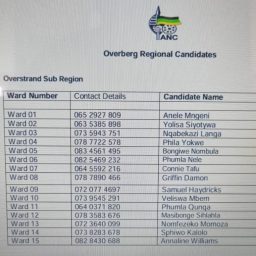
- How It Works: This is a “first-past-the-post” vote. Voters select an individual candidate contesting their local ward (Wards 1 through 15). The candidate with the highest total votes in that ward wins the seat directly.
- Why It Matters: Your Ward Councillor is the primary contact for hyper-local neighborhood issues—ranging from street lighting and refuse collection to localized zoning and road maintenance.
2. The Local PR Ballot
- What It Decides: The remaining proportional seats on the 29-seat Overstrand Municipal Council.
- How It Works: Voters choose a political party rather than an individual candidate. The Electoral Commission (IEC) combines all local PR and Ward votes across the municipality to calculate each party’s overall seat entitlement. The IEC subtracts the ward seats a party won, filling the remaining quota directly from the party’s pre-submitted Proportional Representation (PR) candidate list.
- Why It Matters: This ballot determines overall council control. To form a governing majority and elect the Mayor, Deputy Mayor, and Speaker, a party or coalition must secure at least 15 of the 29 total seats.
3. The District PR Ballot
- What It Decides: Direct seat representation on the regional Overberg District Municipality (DC3).
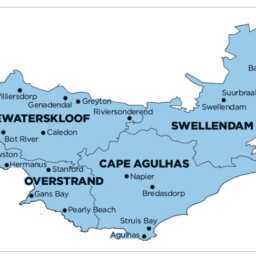
- How It Works: Voters select a political party to represent them at the regional level. This 3rd ballot directly determines 40% of the seats on the District Council. The remaining 60% of district seats are designated indirectly by local municipal councils (Overstrand, Theewaterskloof, Swellendam, and Cape Agulhas) sending elected local delegates to the district seat in Bredasdorp.
- Why It Matters: The District Council coordinates regional infrastructure, disaster management, regional health services, bulk water supply, and firefighting operations across the broader Overberg footprint.
What do you think?
Comments